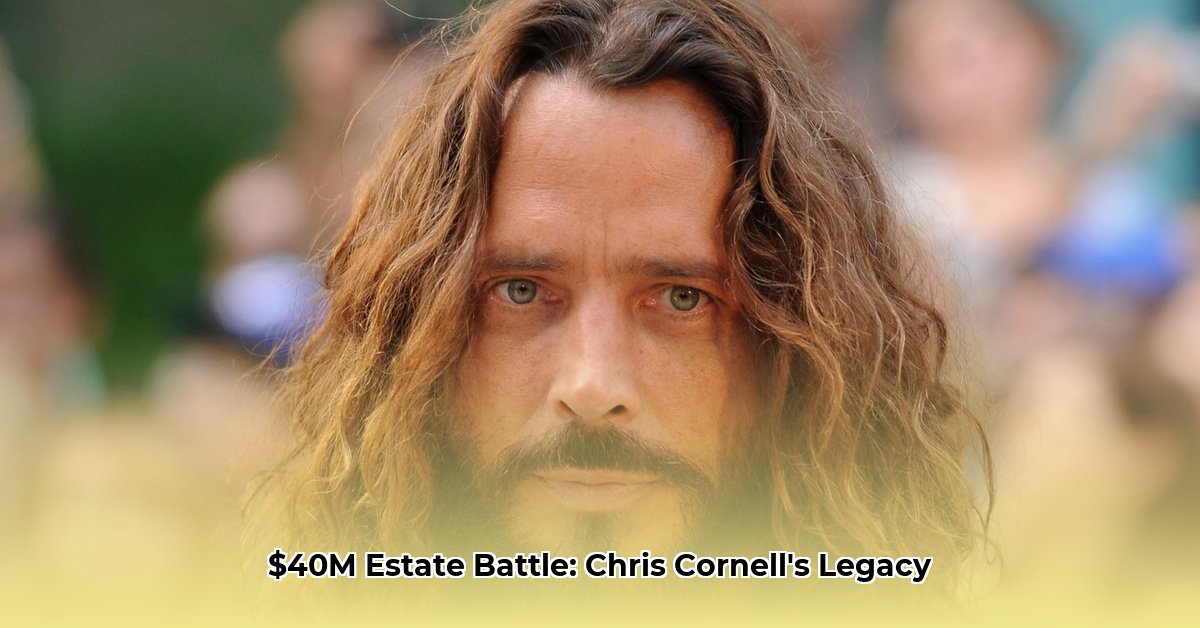
The unexpected death of Chris Cornell in 2017 left a legacy extending far beyond his iconic music. His $40 million estate became the focal point of a complex legal battle, highlighting the challenges of managing a musician's wealth after their passing. This isn't simply a story about numbers; it's a narrative of family disputes, legal complexities, and the fight to preserve a musical giant's legacy. For similar high-net-worth cases, see more examples.
The Aftermath: Family, Finances, and a Contested Will
Cornell's death triggered a protracted legal battle centered around his will. While his wife, Vicky Karayiannis, and a family trust were named primary beneficiaries, his ex-wife, Susan Silver, challenged the will's provisions, initiating a protracted legal fight. This wasn't merely about dividing a fixed sum; the ongoing stream of royalties from Cornell's extensive musical catalog – encompassing both Soundgarden and his solo career – formed a significant point of contention. The ongoing income from these royalties added another layer of complexity to the already difficult task of estate settlement. How can such continuous income streams be equitably distributed after a death? This question became central to the legal dispute.
Music, Money, and the Fight for Control of a Legacy
The legal disputes extended beyond the financial aspects of Cornell’s estate. Control over Soundgarden's intellectual property – including the band's name, online presence, and unreleased music – became a major point of conflict. This wasn't simply about monetary value; it was a fight over the very legacy of a seminal band, impacting future collaborations and the ultimate preservation of Soundgarden's musical heritage. Did the will adequately address the complexities of shared artistic ownership? The legal proceedings sought to answer this critical question.
Untangling the Complex Financial Web
Cornell's financial situation was far from simple. His income stemmed from diverse sources: record sales, touring, publishing rights, and endorsements, both from his solo career and his work with Soundgarden. Separating his personal and business finances proved to be a Herculean task for legal professionals.
A simplified breakdown of stakeholder goals helps clarify the complexities of the situation:
| Stakeholder | Short-Term Goals | Long-Term Goals |
|---|---|---|
| Vicky Karayiannis | Secure fair distribution of estate assets; manage ongoing legal proceedings. | Ensure long-term financial security for herself and children; finalize estate settlement. |
| Susan Silver | Receive a fair share of the estate; pursue legal action to achieve this. | Protect financial interests and potentially reach an amicable settlement. |
| Soundgarden Members | Reach a temporary agreement regarding band assets; maintain operational continuity. | Negotiate lasting agreement on intellectual property rights; explore future collaborations. |
| Cornell Family Trust | Manage and distribute estate assets according to the will's instructions. | Ensure long-term security of trust beneficiaries. |
The High Stakes of High-Net-Worth Disputes
The legal battles surrounding Cornell's estate highlighted the substantial risks associated with significant wealth, particularly in the volatile entertainment industry. Protracted legal disputes can consume immense resources, delaying asset distribution and creating significant emotional and financial strain on those involved.
The fluctuating value of music royalties added another layer of complexity, making long-term financial projections difficult. Moreover, the potential for further litigation, perhaps centered around alleged professional negligence, increased the uncertainty surrounding the final outcome. The sheer complexity of managing Cornell's large and diverse estate demonstrated that even with careful initial planning, unforeseen challenges can arise, escalating both legal costs and emotional distress.
Lessons Learned: The Importance of Proactive Estate Planning
The Chris Cornell estate serves as a potent reminder of the critical need for comprehensive estate planning, especially for high-net-worth individuals in the entertainment industry. A well-defined will, clear agreements addressing intellectual property rights, and skilled legal counsel are crucial in mitigating potential future disputes. While perfect foresight is impossible, meticulous planning can drastically reduce the probability of costly post-mortem conflicts. The Cornell case underscores that proactive planning is not simply about avoiding conflict; it’s about securing the long-term well-being and financial stability of loved ones after the loss of a significant figure.
How to Manage a Musician's Estate After Death: Key Takeaways
- Inadequate planning: The Cornell estate, valued at $40 million, tragically illustrates the consequences of inadequate estate planning for high-net-worth musicians with complex family dynamics.
- Multifaceted conflicts: Disputes over child support, music royalties, and digital asset control highlight the need for comprehensive, clear estate documents.
- Proactive strategies: Proactive planning, including robust legal agreements and designated trustees, minimizes post-mortem conflicts and protects beneficiary interests.
- Understanding complexities: Managing a musician’s estate requires addressing intellectual property rights, digital assets, and the intricacies of blended family dynamics.
- Regular review: Regular review and updating of estate plans are crucial to reflect changing circumstances and reduce the risk of future disputes.
The Cornell Estate: A $40 Million Lesson in Foresight
Chris Cornell’s unexpected death resulted in a $40 million estate becoming embroiled in legal battles, primarily between his ex-wife and widow. These disputes revolved around child support, music royalties from Soundgarden, and control of his digital assets. The root cause? The lack of a comprehensive and clear initial estate plan.
The Need for Proactive Estate Planning for Musicians
The Cornell case serves as a stark warning about the importance of meticulous estate planning. Failing to address potential conflicts before they arise can lead to significant legal costs and substantial emotional distress for all parties involved.
Essential Elements of Effective Estate Planning for Musicians
Effective estate planning for musicians must include:
- Intellectual Property: Explicit ownership agreements and detailed provisions for post-mortem royalty distribution are critical.
- Digital Assets: The estate plan must address the ownership and control of social media accounts, online music platforms, and other digital assets.
- Blended Families: Clear provisions for all family members are essential to minimize inheritance conflicts.
- Independent Trustees: Appointing a neutral trustee to manage trusts, particularly for minor children, protects their interests.
Mitigating the Risks
A proactive approach significantly reduces the risk of post-mortem conflicts:
- Regular Reviews: Regularly review and update the estate plan to reflect life changes.
- Legal Counsel: Seek expert advice from estate planning attorneys specializing in high-net-worth individuals and musicians.
- Open Communication: Families should openly discuss wealth management and inheritance expectations.
The legal battles surrounding Chris Cornell's estate underscore that proper estate planning is not simply about financial matters. It is about protecting family, preserving legacy, and mitigating the emotional trauma caused by unresolved conflicts. Learning from this experience is crucial for everyone, especially high-net-worth individuals in unpredictable fields like the entertainment industry.